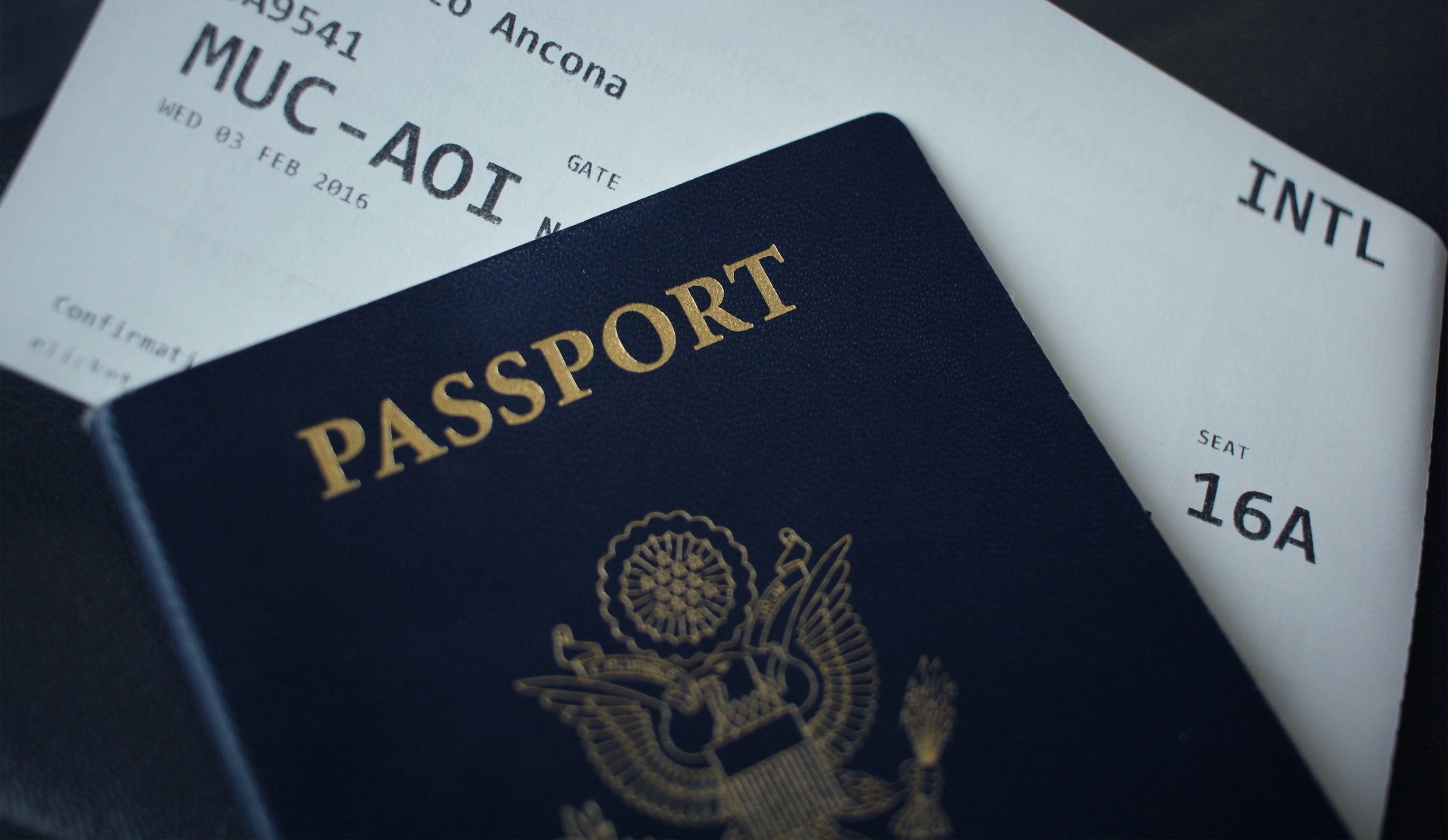
Getting admission to study abroad is a major achievement, but another important step remains before you can travel: getting the right student visa or study permit.
If you are wondering how to get student visa approval, the process may seem confusing at first. You may have questions about the documents you need, how much money you must show, where to apply, whether you will attend an interview, and how long the process will take.
The good news is that the process becomes much easier to understand when you break it into individual steps.
In this guide, you will learn how to get student visa approval from the beginning, starting with university admission and ending with preparing for your journey. Requirements vary by country, so always confirm the final requirements with the immigration authority for your destination.
What Is a Student Visa?
A student visa is an immigration document that allows an international student to enter and remain in another country for an approved course of study.
The name is not the same everywhere.
For example, the United States uses F and M student visa categories. The F visa is generally for international students attending universities, colleges, high schools, language-training programmes, and other academic institutions. The M visa is generally for students attending vocational or other recognised non-academic institutions. The UK uses a Student visa, while other countries may use terms such as study permit or student residence permit.
This difference is important because you should not assume that every country uses the same application process.
A student visa is also different from a tourist visa. A tourist visa generally does not give you permission to study a full academic programme.
When Do You Need a Student Visa?
You will usually need a student visa or study permit when you plan to study in another country for a period that requires immigration permission.
However, the exact requirement depends on factors such as:
- Your destination country
- Your nationality
- The length of your course
- The type of institution
- The level of study
- Whether the course is full-time or part-time
- Your existing immigration status
Do not assume that because someone you know studied in a particular country without a visa, you will have the same experience.
Immigration rules can be different for different nationalities and types of study.
That is why checking the official immigration website of your destination should always be part of your preparation.
How Does the Student Visa Process Work?
Although the details differ between countries, a typical student visa process involves these stages:
- Get admission from an eligible institution.
- Confirm the correct visa or study permit.
- Check the current requirements.
- Prepare your documents.
- Prepare your financial evidence.
- Complete the application.
- Pay the required fees.
- Complete biometrics or an interview if required.
- Provide additional information if requested.
- Wait for the decision.
- Prepare for travel after approval.
The order can be slightly different depending on your destination.
For example, students going to the United States must first be accepted by a SEVP-approved school. The school then registers the student in SEVIS and issues the appropriate Form I-20 before the student applies for the F or M visa.
The important thing is to understand what each stage means instead of treating the entire process as one large task.
Step 1: Get Admission From Your University or Institution
Before you start a student visa application, you normally need admission to an eligible educational institution.
This means you should first apply to universities, colleges, or other institutions that offer the programme you want to study.
Your admission letter or official confirmation may contain important information such as:
- Your name
- Your programme
- Your course start date
- Your course duration
- Your institution
- Your tuition information
- Your student or application number
Some countries also require the institution to provide a specific document before you can begin your visa application.
For example, students applying for a UK Student visa need a Confirmation of Acceptance for Studies (CAS) from their course provider before applying.
If you are still deciding which university to attend, read our guide on How to Choose the Right University Abroad: A Complete Guide before moving to the visa stage.
Your visa application will be much easier when you already understand where you are going, what you will study, and when your programme begins.
Step 2: Decide Where You Want to Study
Your destination matters because student visa requirements are not universal.
The documents required for the UK may be different from those required for Germany, Canada, the United States, France, or Australia.
Even the name of the immigration document can change.
One country may call it a student visa, while another may call it a study permit or student residence permit.
This is why choosing your destination should happen before you start collecting visa documents.
If you are still comparing countries, you can also read our guide on How to Choose the Best Country to Study Abroad.
Consider factors such as:
- Tuition fees
- Living costs
- Available courses
- Language requirements
- Visa requirements
- Financial requirements
- Accommodation
- Work rules for international students
- Travel distance
- Post-study options
Do not choose a country simply because you saw someone online studying there. Check whether the university, course, budget, and immigration requirements fit your own situation.
Step 3: Identify the Correct Visa or Study Permit
Once you know where you want to study, find out exactly which immigration permission you need.
This is one of the most important steps because applying for the wrong category can create unnecessary problems.
For example, the United States has F visas for academic study and M visas for vocational or other recognised non-academic study. The U.S. Department of State also explains that students should be accepted by a SEVP-approved school before beginning the student visa process.
You can check the U.S. Department of State’s official student visa guidance if the United States is your destination.
The UK uses a Student visa for eligible students. Its requirements include an offer from a licensed student sponsor, sufficient funds in applicable cases, and meeting the English-language requirement where applicable.
So when asking how can I get a student visa, the first question should really be:
Which visa or study permission does my destination require for my particular course?
Check the official government immigration website rather than relying only on information from social media, agents, or old articles.
Step 4: Check the Student Visa Requirements
After identifying the correct visa, make a list of the requirements.
Student visa requirements can include:
- Valid passport
- Admission or acceptance document
- Proof of accommodation
- Proof of financial support
- Academic documents
- Passport photographs
- Medical documents, where required
- Proof of language ability, where required
- Visa application form
- Application fee
- Biometric information
- Police or background documents, where required
Not every student will need every document.
For example, the UK requires a current passport and CAS, while some applicants may also need financial evidence, a tuberculosis test, an ATAS certificate, or other documents depending on their circumstances.
You can check the official UK Student visa requirements if the UK is your destination.
This is why copying another student’s checklist can be risky.
Your requirements may be different because of your destination, nationality, course, age, or personal circumstances.
Make a Personal Document Checklist
Instead of keeping everything in your head, create a simple checklist.
| Requirement | Ready? |
|---|---|
| Passport | ☐ |
| Admission document | ☐ |
| Financial evidence | ☐ |
| Academic documents | ☐ |
| Visa application form | ☐ |
| Passport photograph | ☐ |
| Medical documents, if required | ☐ |
| Biometrics appointment | ☐ |
| Visa fee | ☐ |
| Additional documents | ☐ |
As you complete each requirement, mark it off.
This simple habit can prevent you from reaching the final stage and discovering that one important document is missing.
Step 5: Prepare Your Documents
Once you know the requirements, start preparing your documents carefully.
Do not wait until the day of your visa appointment to search for everything.
Depending on your destination, you may need documents such as:
Passport
Your passport should meet the validity requirements of your destination.
Check the official instructions because some countries may require a certain amount of validity remaining.
Admission Document
This proves that an institution has accepted you to study.
Check that the details match your application, especially your name, programme, institution, and start date.
Academic Documents
These may include:
- Certificates
- Diplomas
- Degree certificates
- Academic transcripts
- Examination results
- Other documents requested by your destination
Proof of Accommodation
Some visa applications may require evidence of where you intend to stay.
This could be a university residence confirmation, rental agreement, or another accepted form of accommodation evidence.
Financial Documents
You may need to show that you can afford your tuition and living expenses.
The exact amount and acceptable evidence depend on the country.
Translation or Certification
If your documents are not in an accepted language, you may need an official translation.
Do not translate important documents casually and assume the immigration authority will accept them.
Always check the destination’s instructions for translation and certification requirements.
Step 6: Prepare Your Financial Evidence
Financial evidence is one part of the student visa process that deserves serious attention.
A visa authority may need evidence that you can pay for your studies and support yourself while abroad.
Depending on the country, acceptable evidence may include:
- Bank statements
- Scholarship letters
- Official sponsorship documents
- Education loans
- Tuition payment evidence
- Other approved financial documents
The important thing is not simply having money somewhere.
You need to provide the type of financial evidence that the immigration authority accepts.
For example, the UK requires applicants in applicable circumstances to show enough money to pay for their course and support themselves. The amount depends on factors such as where they will study.
Do not copy an amount from an old YouTube video or an article written several years ago.
Financial requirements can change.
Always check the current official requirement before preparing your documents.
Step 7: Complete the Student Visa Application
After preparing your documents, complete the official student visa application.
Depending on the destination, you may apply:
- Online
- Through a government visa portal
- Through an authorised visa application centre
- Through another official application system
Read every question carefully.
Your answers should match your supporting documents.
For example, if your admission document says that your programme begins in September, make sure the relevant information in your application is accurate.
Also check your spelling.
A small error in your name, passport number, date of birth, or course details can create unnecessary complications.
Before submitting the application, review the entire form again.
Do not rush simply because you are excited to finish the process.
Step 8: Pay the Required Fees
Most student visa applications involve fees.
You may have to pay:
- Visa application fees
- Biometric fees, where applicable
- Healthcare or immigration-related charges, depending on the country
- Other required charges
The amount varies by destination and can change over time.
For this reason, do not use an old article or social media post to determine how much you should pay.
Check the current official fee before making payment.
Also remember that the cost of the visa application may be only one part of your total study-abroad expenses. You may also need money for tuition, accommodation, insurance, flights, transportation, and other costs.
Step 9: Complete Biometrics or Attend an Interview
Depending on your destination and application, you may need to provide biometric information, attend an interview, or complete both.
Biometrics can include fingerprints and a photograph.
An interview may involve questions about:
- Your course
- Your university
- Your academic background
- How you will fund your studies
- Why you chose the institution
- Your future plans
- Information contained in your application
Do not try to memorise complicated answers.
Instead, understand your own application.
If someone asks where you will study, you should know the university.
Or if they ask what you will study, you should be able to explain your programme clearly.
Likewise if they ask how your studies will be funded, your answer should match your financial documents.
For example, U.S. student visa applicants may be asked to provide evidence of their academic preparation, how they will pay educational and living costs, and their plans after completing their studies.
Step 10: Provide Additional Documents If Requested
Sometimes an immigration authority may request additional information after you submit your application.
Do not panic if this happens.
Read the request carefully and provide exactly what is being requested within the stated deadline.
For example, you may be asked for:
- Another financial document: You may be asked for a more recent bank statement, proof of a scholarship, a sponsor’s financial documents, or evidence showing where the money for your studies came from.
- An additional academic document: You may be asked to provide a missing certificate, transcript, admission letter, or another document confirming your previous education.
- A clearer copy of a document: If a passport page, certificate, bank statement, or other document is difficult to read, you may be asked to upload or submit a clearer copy.
- Additional identity information: You may be asked to provide further details about your identity, previous travel, passport history, or other information needed to confirm who you are.
- Evidence relating to your accommodation or sponsor: You may be asked for proof of where you will stay, such as accommodation confirmation, or additional documents about the person or organisation financially supporting your studies.
Do not send random documents simply because you think they might help. Follow the official instructions and provide the specific information or documents requested.
Step 11: Wait for the Decision
After completing the application, you may need to wait for the immigration authority to make a decision.
Processing times vary depending on:
- Country
- Visa type
- Application volume
- Time of year
- Whether additional checks are required
- Whether additional documents are requested
- Your individual circumstances
For example, the UK currently says applicants outside the UK will usually receive a Student visa decision within three weeks, although some applications can take longer.
The U.S. Department of State also explains that interview appointment wait times vary by location, season, and visa category.
Because processing times can change, do not rely on one student’s experience as a guaranteed timeline for your own application.
What Should You Do After Your Student Visa Is Approved?
Getting your visa is an important step, but your preparation does not end there.
Once your visa is approved, carefully check the details.
Look at:
- Your name
- Passport number
- Visa type
- Validity dates
- Conditions attached to the visa
- Any information you need to follow when entering the country
Then continue preparing for your studies.
You may need to arrange:
- Flight tickets
- Accommodation
- Airport transportation
- Tuition payment
- Health insurance
- Currency or banking arrangements
- Important academic documents
- Copies of your immigration documents
Keep important documents in a safe place and keep digital copies where you can access them if necessary.
Also check the rules for when you are allowed to enter the country.
For example, students travelling to the United States on F or M visas cannot enter more than 30 days before the start date of their programme.
The UK also has specific rules about how early Student visa holders can arrive, depending on the length of their course.
Common Student Visa Mistakes to Avoid
1. Applying for the Wrong Visa
One common mistake is assuming that every student needs the same type of visa.
The correct category depends on your destination, course, institution, and circumstances. Always confirm the correct immigration route before submitting an application.
2. Using Outdated Information
Visa requirements and fees can change.
An article, video, or social media post that helped someone several years ago may no longer contain the current requirements. Use older information for background if necessary, but confirm important details through the official government website before acting.
3. Waiting Until the Last Minute
Leaving everything until a few weeks before your course begins can create unnecessary pressure.
Some documents take time to obtain, and visa appointments or processing can also take time. Start preparing as soon as you have your admission and understand the relevant requirements.
4. Submitting Inconsistent Information
Your application, admission document, financial documents, passport, and other supporting documents should contain consistent information.
If important details do not match, the immigration authority may need additional clarification. Review your application carefully before submission.
5. Ignoring Financial Requirements
Having some money available does not automatically mean you have met the financial requirement.
Different countries can have specific rules about the amount required, acceptable sources of funds, account history, or financial documents. Follow the official requirements for your destination rather than guessing.
6. Giving False Information
Never invent information simply because you think it will make your application look stronger.
False information or fraudulent documents can have serious immigration consequences. If you are unsure about something, check the official guidance or obtain qualified immigration advice.
7. Buying Non-Refundable Travel Too Early
Receiving admission does not necessarily mean your visa is guaranteed.
For example, the U.S. Department of State advises applicants not to make final travel plans or buy tickets until the visa has been issued.
Check your destination’s guidance before making expensive travel arrangements.
Student Visa Application Checklist
Before submitting your application, go through this checklist:
- I have received admission from my institution.
- I know which visa or study permit I need.
- I have checked the current official requirements.
- My passport meets the required conditions.
- I have prepared my admission documents.
- I have prepared my academic documents.
- I have prepared my financial evidence.
- I have completed any required translations or certifications.
- I have completed the official application form.
- I have checked my information for errors.
- I have paid the required fees.
- I know where and when to provide biometrics.
- I know whether I need an interview.
- I have prepared the required supporting documents.
- I know how to check my application status.
Going through this list before submission can help you identify missing items before they become a problem.
Frequently Asked Questions About Student Visas
How do I get a student visa?
The general process is to get admission to an eligible institution, identify the correct visa category, check the requirements, prepare your documents and financial evidence, complete the official application, pay the required fees, provide biometrics or attend an interview if required, and wait for the decision.
The exact process depends on your destination country.
How can I get a student visa without admission?
For most full-time international study routes, you need some form of admission or confirmation from an eligible educational institution before completing the main student visa process.
The exact document required depends on the country.
How long does a student visa take?
There is no single processing time for every country.
The time can depend on your destination, visa type, application volume, season, appointment availability, and whether additional checks are required.
Always check the current processing information provided by the relevant immigration authority.
How much money do I need for a student visa?
There is no universal amount.
Your financial requirement depends on the destination country and, in some cases, your course, location, length of study, or personal circumstances.
Use the current official financial requirement for your destination rather than copying an amount from another student’s application.
Do all student visa applicants attend an interview?
No.
Whether you need an interview depends on the country, visa category, and your individual application.
Some destinations may require interviews for certain applicants, while others may focus more heavily on document and biometric requirements.
Can I apply for a student visa before getting admission?
Usually, you should first understand the admission and visa process because many student immigration routes require evidence that you have been accepted by an eligible institution.
The exact rule depends on the destination.
Can I work while studying abroad?
This depends on the immigration rules of your destination and the conditions attached to your visa.
Do not assume that having a student visa automatically gives you unlimited permission to work.
Check the official rules before accepting employment.
Final Takeaway
Learning how to get student visa approval becomes much less confusing when you stop looking at it as one huge task.
Start with admission. Then identify the correct visa, check the current requirements, prepare your documents and financial evidence, complete the application carefully, attend any required appointment or interview, and wait for the decision.
Most importantly, remember that there is no single student visa process that works for every country.
The safest approach is to use a general guide like this one to understand the overall process, then confirm the exact requirements with the official immigration authority for the country where you plan to study.
If you prepare early, keep your documents organised, and pay attention to the details, you will be in a much better position to handle your student visa application with confidence.